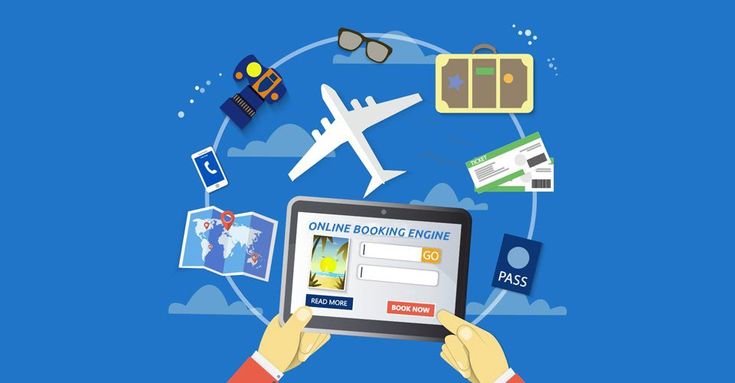
Travel websites exist to support a dream.
A destination, an experience, a break from routine — that emotional pull is already strong before a visitor ever lands on your site.
The problem is not interest.
The problem is interruption.
Many travel websites unintentionally interrupt the decision-making process at the most critical moment: when a visitor is ready to move from inspiration to action.
Instead of clarity, users encounter friction.
Pages take too long to load.
Navigation feels unintuitive.
Essential information is buried or spread across multiple pages.
Pricing feels vague or incomplete.
Booking steps feel longer than expected.
Each of these moments creates hesitation.
At first, the visitor is imagining themselves on the trip. But once friction appears, their focus shifts from the experience to the risk. They start asking practical questions that the website fails to answer clearly:
“Is this the final cost?”
“Why is this form asking for so much information?”
“Can I trust this payment flow?”
When trust drops, excitement fades — and abandonment follows.
Strong travel websites understand their role is not to persuade harder, but to remove doubt. They prioritize clarity over complexity. They structure information so users always know what comes next. They reduce effort at every stage of the booking process.
When a website feels predictable, calm, and transparent, travelers stay focused on the journey — not the mechanics of booking it.
In many cases, improving conversion isn’t about better marketing.
It’s about better experience.